

September 25, 2026
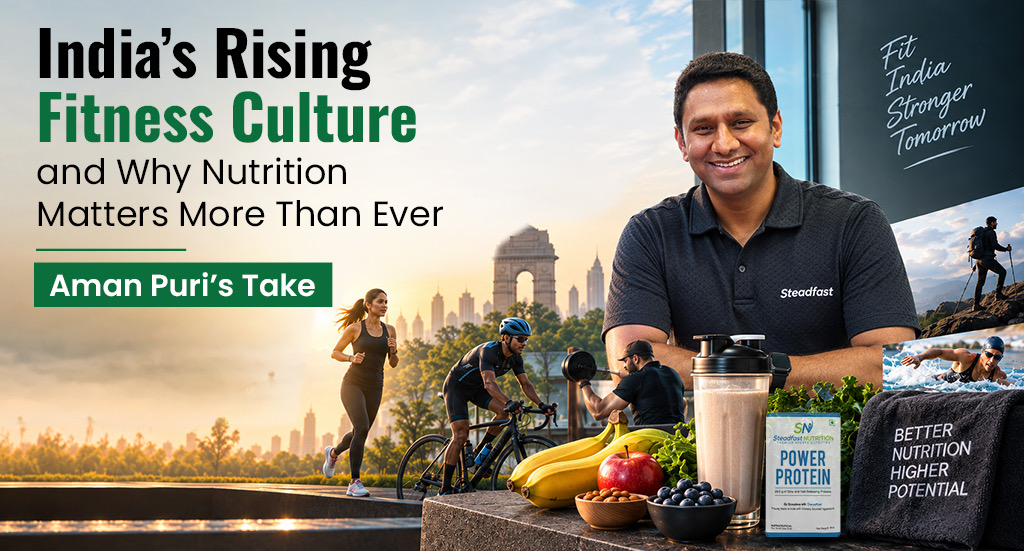
India’s Rising Fitness Culture and Why Nutrition Matters More Than Ever: Aman Puri’s Take
India has become a fitness-conscious nation – working out at the gym, running marathons, breathing exercises, and cycling are no longer the prerogative of only athletes, fitness enthusiasts and bodybuilders. They are becoming an essential part of many Indians’ lives, whether they are millennials, Gen-Z, or older people, or even India’s 76-year-old prime minister. And it’s not just adults who are embracing fitness – parents are also enrolling their children for karate, swimming, yoga, and Zumba classes. When fitness is a central part of everyone’s lives, it’s only natural that nutrition would become important too. Everyone is paying attention to what they eat – protein shakes, millets, oats, and smoothies have become a part of everyday conversations. People are seeking advice from nutritionists and healthcare experts on ways to improve their nutritional intake.
As someone who entered the world of sports nutrition as an athlete and later built a career around nutrition, Aman Puri has seen this change from close quarters. He believes that while India is moving towards a more informed fitness culture, the next stage of this journey has to go beyond exercise. As the founder of two nutraceutical brands Steadfast Nutrition and Happy Organs, he has helped people from all walks of life improve their fitness levels through nutritional guidance and supplementation. This includes sportspersons, fitness enthusiasts, students, working professionals, and homemakers. Athletes seek his brands’ supplements for optimising their performance, fitness-conscious individuals reach out for nutrition to improve their fitness levels, working adults look for supplements for managing stress and other health challenges, while women seek nutritional support for meeting their health needs through various life stages.
A certified fitness nutritionist, sports nutritionist, kids nutritionist and sleep science coach, Aman Puri has spent years studying the relationship between nutrition, physical performance, recovery and overall health. He is well placed to give nutrition-related advice, formulate supplements and recommend them to individuals. He is a firm believer in the importance of good nutrition in building people’s health and fitness. In fact, his views and perspectives on the importance of preventive healthcare, the role of specific nutrients in maintaining and optimising health, and nutritional strategies to manage certain health conditions have been featured by leading media outlets across the country. Through write-ups, articles, and quotes for national media, he has also urged the government to focus more on preventive healthcare and allocate more funds for nationwide campaigns that educate people about the importance of incorporating good nutrition, including protein, iron, and vitamin D, in their lifestyles.
Aman Puri recommends that people should eat in a way that supports their level of physical activity. He states that people do not eat adequate protein and advises Indians to improve their daily protein intake, as India by and large is a protein-deficient country. Most people fall short of meeting their daily protein requirements, leading to health challenges such as weak muscles, fatigue, backaches and poor growth or delayed development in children. Given India’s rising fitness culture, he explains that protein is even more important for recovery after workouts and exercises. It improves muscle strength and endurance and is particularly relevant as more and more people adopt strength training, running, cycling and other active lifestyles. He says it is crucial for the fitness of athletes and sportspersons, who have higher protein requirements because of training and recovery demands.
He emphasises the importance of protein-rich foods such as lentils, paneer, dairy products, fish, lean meat, soybean and soy products, and supplementation where protein intake is inadequate. He is of the view that adequate protein becomes increasingly important for older people’s fitness levels, preserving muscle mass and strength as they age. It provides amino acids needed to build and maintain muscle tissue, especially alongside resistance training.
There is a growing consciousness among Indians that fitness is not just limited to exercising and sports but is also about improving well-being, reducing stress, keeping lifestyle diseases at bay and being able to keep up with the dual responsibilities of work and home.
Aman Puri believes that nutrition has a big role to play in helping people meet their broader fitness objectives and ultimately contribute to a better quality of life. That means being able to climb stairs without feeling excessively exhausted, play a sport with your children, carry out everyday activities comfortably, recover from physical activity, manage hectic work, keep free of diseases such as obesity, diabetes, stress, and heart disease, and remain active as you grow older.
He recommends that complex carbohydrates such as brown rice, millets, whole wheat, oats, and chickpeas should be a part of everyday meals as they’re a major fuel source for walking, commuting, working, exercising and other physical activities. Complex carbohydrates generally provide more sustained energy because they are digested more slowly than many simple carbohydrate sources, helping support physical activity over longer periods. They also tend to provide more fibre and nutrients, making them a more beneficial choice for an overall fitness-oriented diet. They support better blood-glucose management and may help reduce the risk of blood-sugar spikes, making them a healthier choice for people concerned about diabetes.
Similarly, iron is crucial for a fitter India, particularly given that 57% of Indian women and 25% of Indian men are anaemic. Aman Puri says it is one of the most neglected nutrients in Indian diets even though it plays a vital role in fitness and health by supporting haemoglobin production. He says increasing the intake of iron-rich foods can keep energy levels up and reduce tiredness, making it easier for people to stay active. Adequate iron is also important for strength, stamina and concentration. Aman Puri-led Steadfast Nutrition has consistently launched campaigns, highlighting the serious problem of iron deficiency anaemia and educating people about its symptoms and iron-rich foods that can help improve their intake of the micronutrient.
Aman Puri believes that adequate vitamin D is essential for a fitter India, given its importance for bone and muscle health. He recommends supplementation where required to help people maintain adequate vitamin D levels.
Aman Puri’s take on supplements is that they should complement nutrition and not replace it. This is an area where greater awareness is particularly important.
The growth of India’s fitness culture has also brought a much larger number of nutritional products into the market. Protein powders, amino acids, electrolytes, vitamins, minerals, probiotics and other specialised products are now easily accessible. But accessibility should come with responsibility.
Aman Puri believes India’s fitness culture is entering an interesting phase. The first phase was about awareness. People began talking more openly about gyms, sports, exercise, protein and healthy lifestyles. The next phase should be about understanding and making informed choices when it comes to nutrition and supplementation.
People should ask themselves: ‘What kind of exercise is appropriate for me?’, ‘What does my body actually need?’, ‘Am I eating enough protein?’, ‘Am I getting enough micronutrients?’, ‘Am I recovering properly?’
These questions represent a more mature approach to fitness.
And perhaps most importantly, we need to move away from the idea that fitness is a temporary project.
It is not something we should pursue for three months before a holiday or six weeks before an event. Fitness is a long-term relationship with your body.
The goal should be to build habits that can be sustained for years.
When Aman Puri thinks about the future of fitness in India, he does not only think about bigger gyms, more marathon participants or a larger sports nutrition market. He thinks about a generation that understands the value of movement. He thinks about athletes who have access to better nutrition and support. He thinks about working professionals who find ways to stay active despite demanding schedules.
And he thinks about older Indians who can remain independent, mobile and active for longer. That is the larger opportunity.
India does not simply need a fitness trend. It needs a fitness culture that is informed, sustainable and rooted in better health.
Exercise will remain at its heart. But nutrition has to be an equally important part of the conversation. Because when we ask our bodies to do more, perform better and stay active for longer, we also have to ask a more fundamental question: Are we giving our bodies the nutrition they need to do it?
That, in his view, is where India’s next fitness revolution has to begin.